All In on Community: How Canadian Poker Players Built Something Bigger Than the Game
There's a running joke in Canadian poker circles that the country's best players learned the game the same way: hunched over a laptop in a university residence hall, grinding low-stakes online tables while everyone else was at the bar. There's more truth in that than the joke suggests.
Canada has produced a remarkable number of elite poker players relative to its population — Daniel Negreanu is the obvious headliner, but the roster runs deep. What's less discussed is the ecosystem that exists below the tournament circuit: the online communities, regional networks, and informal staking arrangements that have turned poker from a solitary pursuit into something that looks a lot like a genuine subculture.
From Smoke-Filled Rooms to Discord Servers
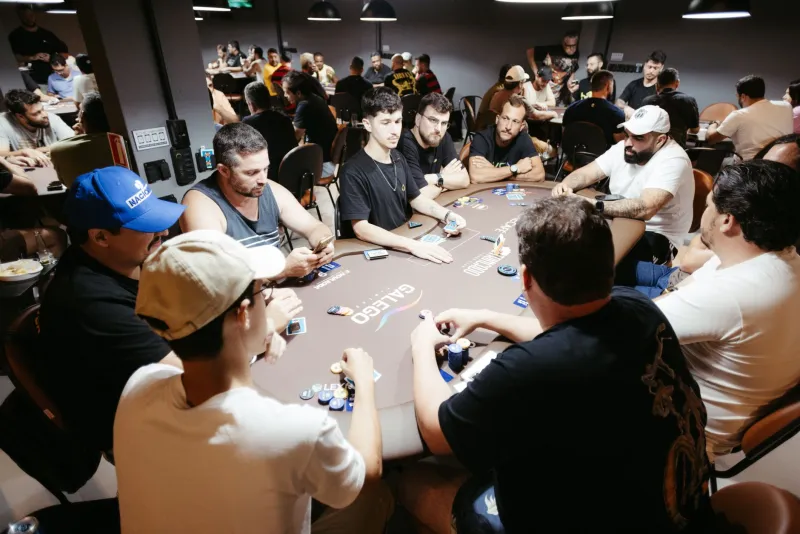
The classic image of Canadian poker — a basement card game, a Tuesday night home game with friends, a trip to the casino in Niagara or Kahnawake — hasn't disappeared. But it's been joined by something new.
Online poker communities in Canada have exploded over the last five years, accelerated in part by the pandemic-era closure of physical card rooms and in part by the maturation of the country's online gaming infrastructure. What started as scattered forum threads on sites like PokerStrategy and 2+2 has evolved into tightly organized Discord servers, Twitch communities, and regional Facebook groups where thousands of players share hand histories, strategy breakdowns, and — crucially — information about where and how to play.
"The Discord changed everything for me," says Tyler, a 27-year-old from Edmonton who plays mid-stakes cash games online. "I went from grinding alone to having a study group, a staking arrangement with two other guys, and a group of people I actually care about beating. The social element is real."
Regional Rivalries and the Tournament Circuit
One of the more fascinating developments in Canadian online poker is the emergence of regional identity within an inherently borderless digital space. Quebec players have built particularly tight-knit communities, partly because language creates a natural boundary and partly because the province has a distinctive poker culture rooted in its own live tournament history.
Ontario, meanwhile, benefits from the iGaming Ontario framework, which has legitimized and expanded the online poker offering available to provincial players. Since regulated operators entered the market, the quality and variety of online tournament structures available to Ontario players has jumped significantly, and community engagement has followed.
The Canadian Poker Series and various provincial online tournament series have given players structured competitive ladders that create the kind of recurring rivalries and storylines that sustain communities. Players follow each other's results, celebrate big scores in shared channels, and develop reputations that travel across the country digitally.
Staking Collectives: Poker's Most Interesting Financial Instrument
Perhaps the most distinctly community-driven element of Canadian online poker is the rise of informal staking collectives. Staking — where a backer funds a player's tournament buy-ins in exchange for a percentage of winnings — has always existed in poker, but online communities have democratized it dramatically.
Modern Canadian staking arrangements often work through community trust rather than formal contracts. A player with a proven track record posts in their Discord or Telegram group that they're looking for backing on an upcoming tournament series. Community members who know the player's game buy shares, often for as little as $20 or $50 at a time. If the player cashes, everyone gets paid proportionally.
It's an elegant system that lets smaller bankroll players take shots at bigger tournaments while distributing risk across a network of people who genuinely want each other to succeed. It also creates deep social bonds — when twenty people have a financial stake in your tournament run, they're watching every update, sweating every hand.
"I sold 40% of myself in a $500 tournament last spring," recalls Priya, a semi-professional player based in Vancouver. "Twenty-three people bought pieces. When I made the final table, the Discord was absolutely insane. I was playing cards and reading messages from people in Halifax and Winnipeg cheering me on. That doesn't happen in a live card room."
The Notable Names and the Networks They Built
Beyond Negreanu — who remains an active content creator and community participant despite his elite status — a new generation of Canadian poker personalities has emerged from the online era. Streamers and coaches who built audiences through Twitch and YouTube have become community anchors, running study groups, coaching programs, and freeroll tournaments exclusively for their followers.
These figures occupy an interesting space between entertainer and educator. Their influence on how Canadian recreational players approach the game is substantial, and the communities that form around them often persist independently of the content creator who sparked them.
The Tax Question Nobody Wants to Answer
Any honest conversation about Canadian poker communities has to address the tax elephant in the room. Canada's treatment of gambling winnings is famously nuanced: recreational players generally don't pay tax on winnings, while those who play poker as a business or primary income source may be subject to income tax on their profits.
The line between "recreational player" and "professional" isn't always clear, and the CRA has historically applied a case-by-case analysis that considers factors like frequency of play, the degree of skill involved, and whether the player depends on winnings for income.
For tournament players who cash regularly, maintain staking arrangements, and operate within organized competitive communities, the calculus gets complicated. Several players we spoke with acknowledged keeping detailed records of their wins and losses specifically because they weren't sure where they'd fall if audited.
"I talked to an accountant last year," Tyler told us. "Her advice was basically: if you're making serious money and playing seriously, talk to a professional. Don't just assume you're fine because you've heard poker isn't taxed."
It's good advice. The community has produced some genuinely serious players, and serious players have serious tax exposure.
More Than Cards
What's striking about Canadian online poker communities isn't really the poker. It's the social architecture that's grown up around the game. These networks offer mentorship, financial partnerships, competitive community, and genuine friendship — all organized around a card game that most people play alone on their phones.
In a country as geographically spread out as Canada, where a poker player in Prince George might be separated from the nearest card room by three hours of highway, that community infrastructure matters. The game gave people a reason to connect. The connection turned out to be the point.