Spin to Win, Click to Earn: Inside the World of Canadian Casino Streamers
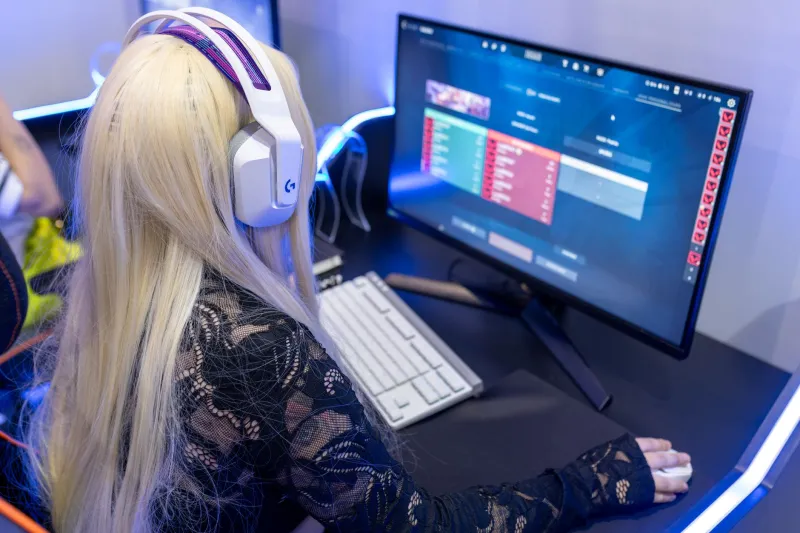
It usually starts the same way. Someone sets up a screen capture, opens an account at an online casino, and hits record. The first few streams get a handful of viewers — maybe friends, maybe strangers who stumbled in from a Discord server. Then one session catches fire. A big bonus buy lands a massive win. The clip gets clipped, shared, reposted. The follower count jumps. And just like that, someone who was just playing for fun is now running a media operation.
This is the origin story for a surprising number of Canadian casino streamers, and it's playing out on Twitch, YouTube, and Kick with increasing frequency. What began as a niche corner of gambling entertainment has grown into something with real money, real influence, and some genuinely complicated ethical dimensions.
The Canadian Streaming Scene Is Bigger Than You Think
When most people think about casino streaming, they picture European or American creators — and historically, that's where the biggest names have been. But Canada has developed its own cluster of streamers who've built serious audiences, particularly on Twitch and Kick, where gambling content has exploded since Twitch controversially tightened its rules around unregulated casino streams in 2022.
Canadian creators occupy an interesting middle ground. They're operating in a country where online gambling regulation is evolving rapidly, where the iGaming Ontario framework has created a more legitimized industry landscape, and where audiences are hungry for content that feels local. A streamer who drops Canadian slang, makes jokes about Tim Hortons, and plays on platforms Canadians actually use tends to build loyalty with a domestic audience that generic international streamers can't easily replicate.
Some of these creators have grown from a few hundred concurrent viewers to communities in the thousands. A handful have turned it into genuine full-time work.
Where the Money Actually Comes From
Here's the part that doesn't always make it into the stream itself: for successful casino content creators, the gambling is often secondary to the affiliate revenue.
Most casino streaming operations are built on a foundation of affiliate deals. The creator promotes a casino — sometimes subtly, sometimes very directly — and earns a commission on every new depositing player they refer. Depending on the deal structure, that can be a flat fee per signup, a revenue share on the player's lifetime losses, or a hybrid of both.
The revenue share model, in particular, creates a financial relationship that critics argue is deeply problematic. If a streamer earns a percentage of what their referred players lose, there's a structural incentive — even a subconscious one — to make gambling look exciting, accessible, and potentially lucrative. The disclaimer at the bottom of the screen that says "gambling can be addictive" doesn't carry much weight against thirty minutes of watching someone hit a 500x multiplier.
For the most successful Canadian streamers, affiliate income can run well into six figures annually. The actual gambling bankroll — which may itself be partially or fully subsidized by casino operators in exchange for promotion — becomes almost incidental.
The Blurred Line Between Content and Advertising
This is where the ethical conversation gets thorny, and it's happening loudly in Canadian gambling circles right now.
Canadian advertising standards do require disclosure when content is sponsored or paid. But the casino streaming world has developed its own cultural norms around disclosure that don't always align with what regulators would consider transparent. A small text disclaimer, a verbal mention buried in a two-hour stream, or a vague "I'm affiliated with this casino" note in a bio doesn't necessarily communicate the depth of the financial relationship to the average viewer.
And the average viewer, it's worth noting, skews young. Casino streaming audiences tend to be heavily weighted toward men aged 18 to 34 — a demographic that gambling researchers consistently identify as being at elevated risk for problem gambling. When a charismatic creator makes high-stakes play look like entertainment rather than financial risk, the normalization effect is real and measurable.
The Advertising Standards Canada framework and the CRTC's evolving guidelines on influencer disclosure are starting to catch up with this space, but enforcement in live streaming remains patchy at best.
What the Streamers Say
To be fair to the creators themselves, many of them are genuinely thoughtful about what they're doing. Several Canadian streamers have spoken publicly about building responsible gambling messaging into their content — promoting deposit limits, talking openly about losing sessions, and pushing back against the idea that gambling is a reliable income source.
The challenge is that responsible messaging and compelling content often pull in opposite directions. A stream where someone methodically sets limits, loses their session budget, and logs off after forty minutes isn't going to build an audience. Drama, big wins, and near-misses are what drive clips and clips drive growth.
There's also a genuine argument that casino streaming, done honestly, serves a useful function — showing players what games actually look like, how bonus features work, and what the realistic variance of a slot session feels like. That kind of transparency has value. The question is whether the affiliate revenue model allows for the kind of radical honesty that would make it genuinely educational.
Where This Goes From Here
The Canadian casino streaming scene is still young enough that its long-term shape isn't fixed yet. Regulatory pressure is building — both from provincial gambling authorities and from platform-level policies at Twitch and YouTube. Ontario's regulated market has introduced clearer rules around how licensed operators can work with affiliates, which may eventually create more structured standards for creator partnerships.
For Canadian players watching these streams, the takeaway is pretty straightforward: the entertainment is real, but so is the business model behind it. When your favourite casino streamer drops a referral link, they're not just sharing a tip — they've got skin in the game. Knowing that doesn't mean you can't enjoy the content. It just means you should watch it with your eyes open.