Bet Like the Stream: Is Casino Content Culture Pushing Canadian Players Toward Bigger Risks?
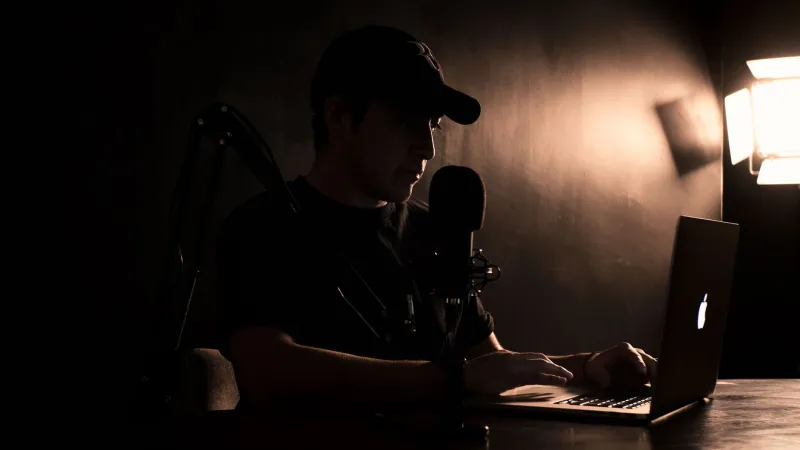
The clip is everywhere. A streamer with 200,000 followers hits a massive multiplier on a high-volatility slot, the screen explodes with colour, the chat floods with celebration emojis, and the creator leans back in their chair with a slow, satisfied grin. The timestamp shows it happened at 2:47 AM. The bet size? More than most Canadians spend on groceries in a week.
For the streamer, it's content. For some of the viewers, it might be something else entirely.
Casino streaming—live and recorded gambling content on platforms like Twitch and YouTube—has become one of the fastest-growing niches in online entertainment. And while it's generating enormous viewership numbers, it's also generating some uncomfortable questions about what it's doing to how younger Canadian players approach the games themselves.
The Rise of the Casino Stream
Five years ago, casino streaming was a niche corner of gaming culture. Today, it's a legitimate industry. Top gambling streamers pull millions of views per month, sign sponsorship deals with major online casino brands, and have built communities every bit as engaged as those following mainstream gaming personalities.
The format varies. Some streamers play live on Twitch, letting viewers watch sessions in real time with chat interaction. Others produce edited YouTube content that highlights the most dramatic moments—big wins, nail-biting bonus rounds, and the occasional spectacular bust. Both formats share something in common: they are, by their nature, built around entertainment, not education.
And entertainment, almost by definition, means highlights. Nobody builds a following by streaming a two-hour session where they bet $2 a spin, finish roughly even, and call it a responsible Tuesday night.
What Canadian Viewers Are Actually Watching
It's worth being specific about what the content actually looks like, because context matters enormously here.
The most-watched casino content tends to feature:
- High-stakes bets that are far above what the average player would realistically wager
- High-volatility games (slots with rare but massive payouts) that produce dramatic swings
- Extended winning streaks that are, by the edited nature of the content, not representative of full sessions
- Emotional, high-energy reactions that make wins feel euphoric and losses feel like entertainment in themselves
Many of the biggest streamers are playing with what's known in the industry as "sponsored bankrolls"—money provided by casino brands specifically for content creation. This is sometimes disclosed, sometimes not, and it creates a fundamental distortion: the streamer isn't risking their own money in the way a viewer would be if they tried to replicate the session.
A 22-year-old in Calgary watching a streamer drop $1,000 on a single bonus buy might not fully register that the money isn't coming from the same place theirs would.
The Psychology of Watching Someone Win
Gambling psychologists have a term for one of the mechanisms at play here: social proof. When we see others doing something—especially people we admire or find entertaining—we're neurologically primed to view that behaviour as normal, acceptable, and potentially rewarding.
When a streamer wins big and makes it look thrilling and achievable, the viewer's brain doesn't fully distinguish between watching it happen and experiencing it. The dopamine response to an anticipated reward activates in observers, not just participants. You're essentially getting a contact high from someone else's near-win.
Dr. Michael Nauss, a behavioural psychologist based in Toronto who has written about digital gambling environments, described the issue this way in a recent interview with a Canadian mental health publication: "The problem isn't that people watch gambling content. The problem is that the content is systematically edited to misrepresent what gambling actually looks like over time. Viewers are receiving a distorted sample."
That distorted sample shapes expectations. If every session you watch ends with a dramatic win, your internal reference point for what a gambling session "should" look like gets skewed. Realistic sessions—which involve plenty of ordinary losses and modest wins—start to feel disappointing by comparison.
Are Younger Canadian Players Feeling the Pull?
Anecdotally, the influence is visible in online communities. Reddit forums and Discord servers frequented by Canadian casino players regularly feature posts from younger players referencing specific streamers, asking about the games they play, and sometimes explicitly mentioning wanting to try the same bet sizes.
Jordan, 24, from Edmonton, started playing online casinos about eighteen months ago after watching a streamer he'd followed for gaming content branch into casino streams. "I definitely started with higher bets than I probably should have," he admits. "The streamer made it look like $50 spins were just what you did. It took me a few sessions and a couple of bad nights to figure out my actual budget."
Jordan recalibrated. Not everyone does.
The concern among gambling harm researchers is less about the casual viewer who watches for entertainment and never opens a casino account, and more about the subset of viewers who are already playing—or are at a point of vulnerability—and use streaming content as a guide for how to play.
Platform Responsibility and the Disclosure Problem
Twitch updated its gambling content policies in 2022, restricting certain types of casino streaming from unlicensed platforms and requiring streamers to use licensed, regulated operators. It was a step. Critics argue it didn't go nearly far enough.
The sponsored bankroll disclosure issue remains largely unresolved. Canadian content creators operating under affiliate deals with casino brands are technically subject to Advertising Standards Canada guidelines around disclosure, but enforcement is inconsistent and the rules haven't kept pace with how sophisticated these arrangements have become.
YouTube's policies are even murkier when it comes to pre-recorded casino content, where editing can make a losing session look like a winning one with minimal transparency about what was cut.
What Responsible Casino Content Could Look Like
It's worth noting that not all casino content creators are operating in bad faith. A growing minority of streamers have started including explicit session summaries showing total wagered versus total won, setting deposit limits on stream, and openly discussing losing runs rather than cutting them from the final edit.
This kind of transparency is genuinely valuable. Showing a realistic session—with its boring stretches, its modest losses, and its occasional wins—gives viewers a much more honest picture of what online gambling actually involves.
For Canadian players navigating this content landscape, a few grounding principles are worth keeping in mind:
- Streamer bet sizes are almost never realistic benchmarks. Many are playing with sponsored funds at multiples of what any recreational player should wager.
- Edited content is not a representative sample. You're watching the highlight reel, not the full match.
- Your session is your session. The games don't know you watched a streamer win. The RNG doesn't care about the vibe.
- Set your limits before you open the app, not in response to what you just watched.
Casino streaming isn't going away—and honestly, at its best, it's genuinely entertaining content. But the line between entertainment and a de facto tutorial for reckless play is thinner than most platforms are currently willing to acknowledge. Canadian players deserve to know which side of that line they're standing on.