Lucky Socks and Losing Streaks: The Strange Science Behind Canadian Casino Superstitions
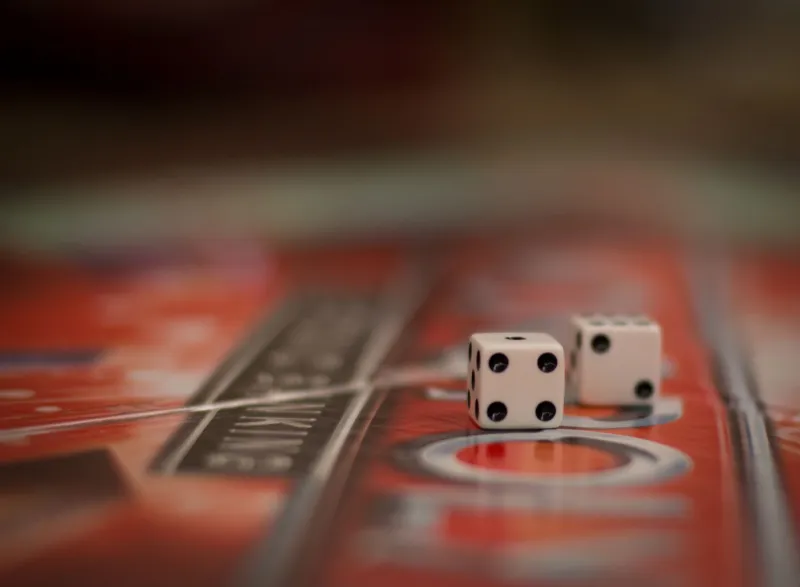
Meet Sandra from Winnipeg. She's a retired accountant—someone who spent decades working with numbers, spreadsheets, and cold hard logic. She also refuses to spin a slot machine without first tapping her phone case twice, placing her coffee cup to the left of her tablet, and muttering a quiet "c'mon" under her breath.
"I know it doesn't do anything," she admits with a laugh. "I'm literally the last person who should believe in luck. But I feel off when I skip it."
Sandra is far from alone. Across Canada, online casino players have developed elaborate pre-game rituals that would make a statistician wince. And yet, these are often intelligent, self-aware people who fully understand that a random number generator couldn't care less what colour shirt they're wearing. So what's actually going on here?
The Ritual Rundown: What Canadian Players Actually Do
We spoke with a handful of Canadian online casino regulars, and the variety of rituals was genuinely impressive. There's Marcus from Vancouver who only opens his casino app after 9 PM, convinced his "luck resets" overnight. There's Priya from Brampton who won a decent sum on a Friday night two years ago and has played exclusively on Fridays ever since. And then there's Dave from Halifax who has a specific playlist he puts on before any poker session—not for focus, he insists, but because "the vibe has to be right."
Common themes emerged pretty quickly:
- Timing rituals: Playing at specific hours or days of the week
- Physical gestures: Tapping screens, crossing fingers, or knocking on a surface before a spin
- Environmental setups: Specific lighting, lucky objects nearby, particular seats
- Lucky clothing or accessories: Socks, hats, and jewellery that have been present during past wins
- Verbal habits: Specific phrases said aloud or internally before placing a bet
None of these things influence a random number generator. The math is absolutely clear on that. So why do they persist?
Your Brain Is Running a Con on You (Sort Of)
The answer lies deep in how human brains process randomness—and spoiler alert, we're terrible at it.
Behavioural economists have long documented something called the illusion of control, a cognitive bias first studied by psychologist Ellen Langer in the 1970s. In short, people consistently believe they have more influence over random outcomes than they actually do. This isn't a flaw in intelligence—it's a flaw in human cognition that affects almost everyone.
When Marcus wins on a Tuesday night, his brain doesn't file that away as a coincidence. It files it as a pattern. The next time he wins on a Tuesday, that pattern gets reinforced. The losses? Those get attributed to other factors—he was distracted, the game was different, his coffee was cold. This is confirmation bias doing its thing, selectively remembering hits and forgetting misses.
From a neuroscience angle, rituals also trigger dopamine releases before any outcome is even determined. The anticipation itself becomes rewarding. Research out of the University of British Columbia has explored how predictable pre-event behaviours can reduce anxiety and create a sense of readiness—which means the ritual might not be changing your odds, but it genuinely is changing your mental state.
The Hidden Upside Nobody Talks About
Here's where things get genuinely interesting. While casino superstitions can't alter probability, some researchers argue they carry a real psychological benefit—provided they stay in healthy territory.
A 2010 study published in Psychological Science found that participants who were allowed to keep a lucky charm with them actually performed better on tasks requiring skill and concentration. The researchers attributed this to increased self-efficacy—basically, believing you're going to do well makes you more confident, and confidence improves performance in skill-based situations.
Now, online slots are not a skill-based situation in the traditional sense. But poker? Sports betting? Blackjack with basic strategy? These games do involve decision-making, and a calmer, more confident mental state can legitimately lead to better choices. If Priya's Friday night ritual helps her feel settled and focused before a blackjack session, that pre-game calm could genuinely influence how she plays her hands.
The ritual becomes a psychological anchor. It signals to your brain: we're switching into game mode now. Think of it like an athlete's pre-match warmup—not magic, but not meaningless either.
When Superstition Crosses a Line
There's a point where harmless ritual becomes something worth paying attention to. The red flag isn't the lucky socks—it's when the superstition starts driving decisions in ways that override common sense.
If a player avoids cashing out because they believe leaving the session would "break the streak," or increases their bets because they're "due for a win" (a classic example of the gambler's fallacy), the ritual has stopped being a comfort mechanism and started becoming a rationalization for poor bankroll decisions.
The gambler's fallacy is worth unpacking briefly: it's the mistaken belief that past random outcomes influence future ones. A slot machine that hasn't paid out in 200 spins is not "due" for a win. Each spin is independent. But the human brain desperately wants to see patterns in randomness, and that desire can lead players to make bets they otherwise wouldn't.
Responsible play means recognizing the ritual for what it is—a mental comfort tool—while keeping your actual betting strategy rooted in realistic expectations and firm limits.
So Should You Ditch the Lucky Mug?
Honestly? Probably not, as long as you know what it's doing. Sandra still taps her phone case twice before every session. She's also got a strict deposit limit and never chases losses. For her, the ritual is a bit of fun, a personal tradition, and maybe a tiny mood booster before she settles in for some entertainment.
The key is separating the psychological comfort of ritual from the dangerous misconception that the ritual is actually changing your odds. Your lucky playlist isn't influencing the RNG. Your Tuesday night timing doesn't reset anything. But if it helps you feel relaxed and in the zone before playing within your means? That's a pretty human thing to hold onto.
Just maybe leave the lucky socks out of your betting strategy.